The Many Lives of the Palace
THE ORIGINS OF THE ESTATE IN THE 17TH CENTURY
The history of the estate began in the 17th century. The Hochburg family acquired the property in 1690, followed by the Berényi and Perényi families.
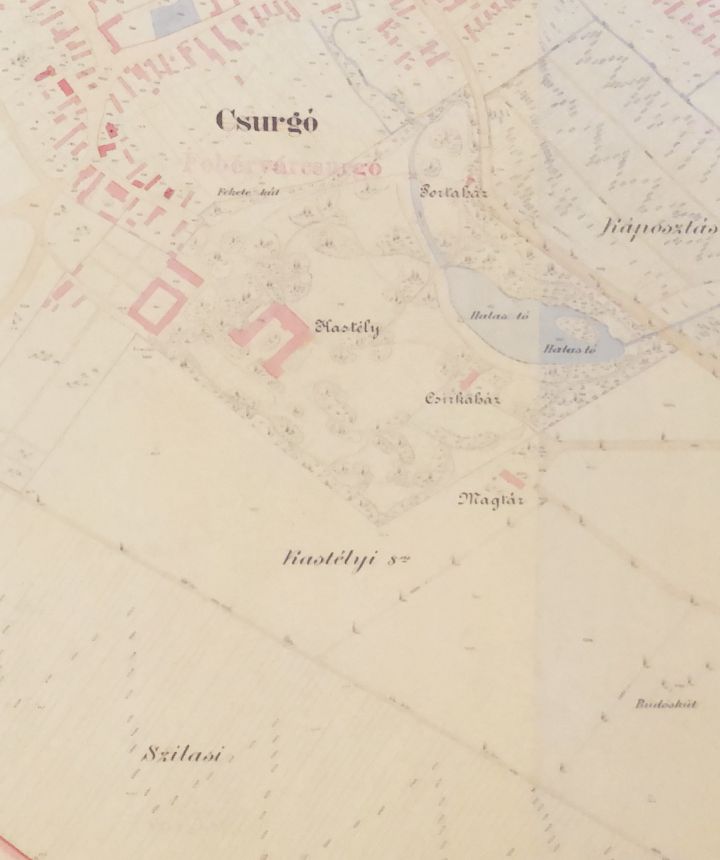
The first palace, built in the Baroque style, was a two-storey L-shaped building. It comprised around thirty rooms, including a chapel. Antal Feigs is mentioned in the archives as one of the builders of the palace; today, only the cellars remain.


THE CONSTRUCTION OF THE KÁROLYI KASTÉLY IN THE 19TH CENTURY
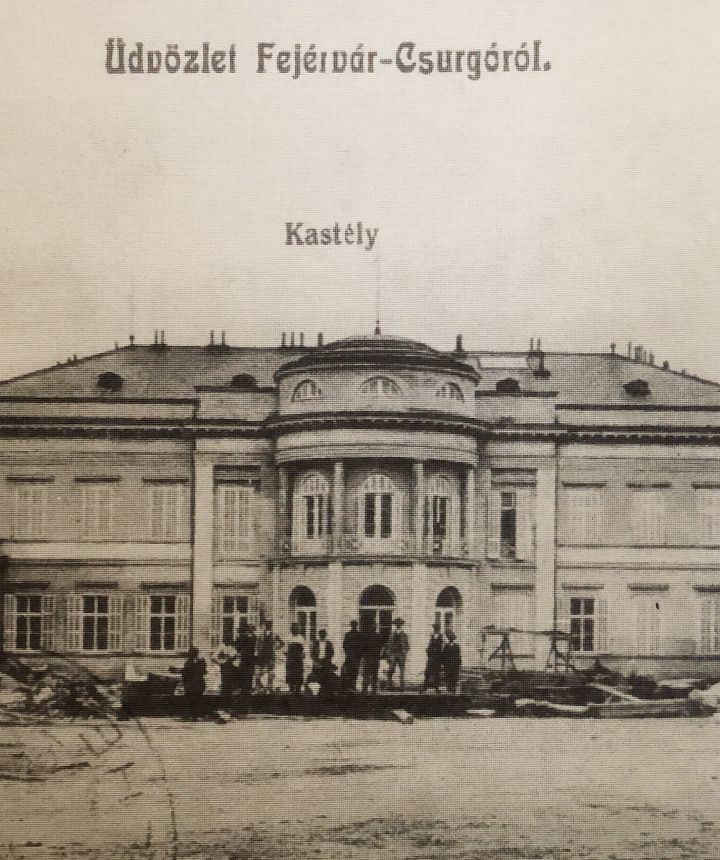
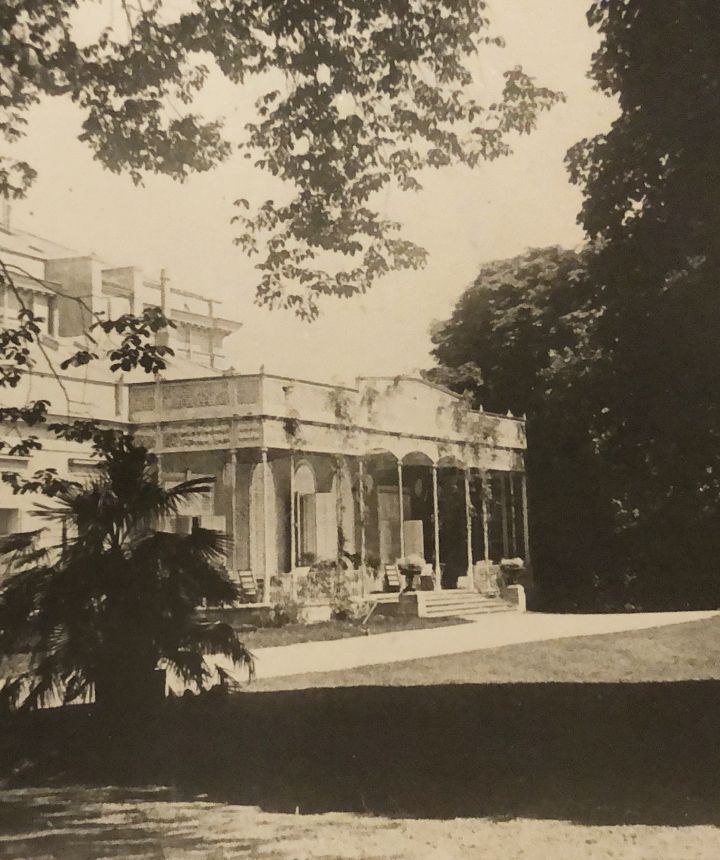
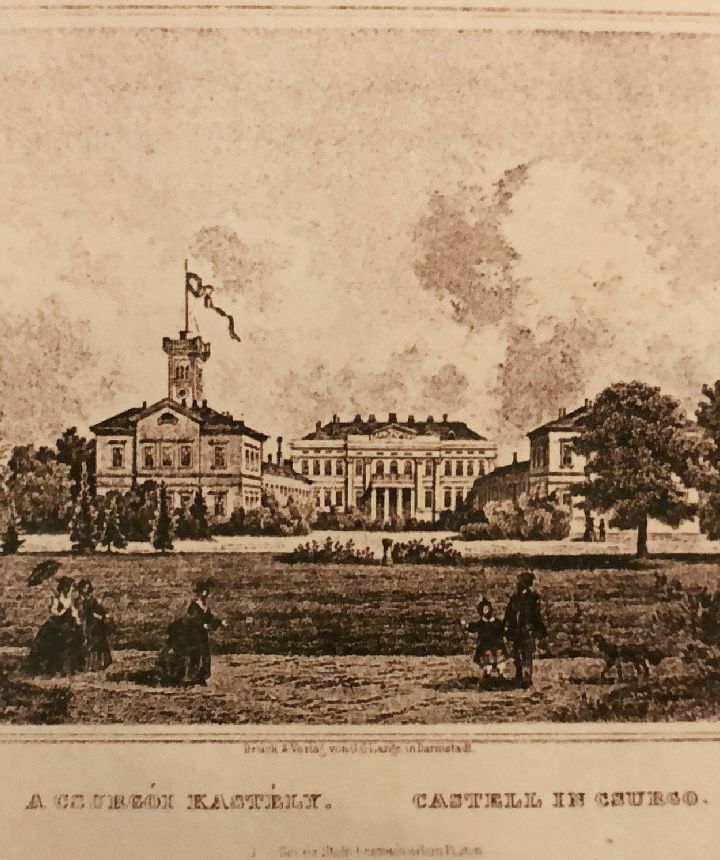
Count György Károlyi acquired the estate in 1834, intending to make it his country residence. In 1844, he commissioned the Austrian architect Heinrich Koch, who had just completed the transformations of his Budapest palace, to design the new building. Construction took several years, during which Miklós Ybl, who would later become one of Hungary’s most celebrated architects, supervised the works. Completed in 1851, the new Neoclassical palace was built on the site of the former residence.
JOSEPH KÁROLYI’S MODERNIZATION OF THE PALACE IN THE EARLY 20TH CENTURY
Following Count György Károlyi’s death in 1877, the estate passed first to his younger son Viktor, and later, in 1888, to his elder son Gyula. Gyula Károlyi had four daughters and two sons from two marriages: Mihály, born to his first wife, and Joseph, born from his second union with Geraldine Pálffy. The Fehérvárcsurgó estate eventually passed to Joseph, who undertook a major modernization of the palace.


TWO BROTHERS AT THE FALL OF THE AUSTRO-HUNGARIAN EMPIRE
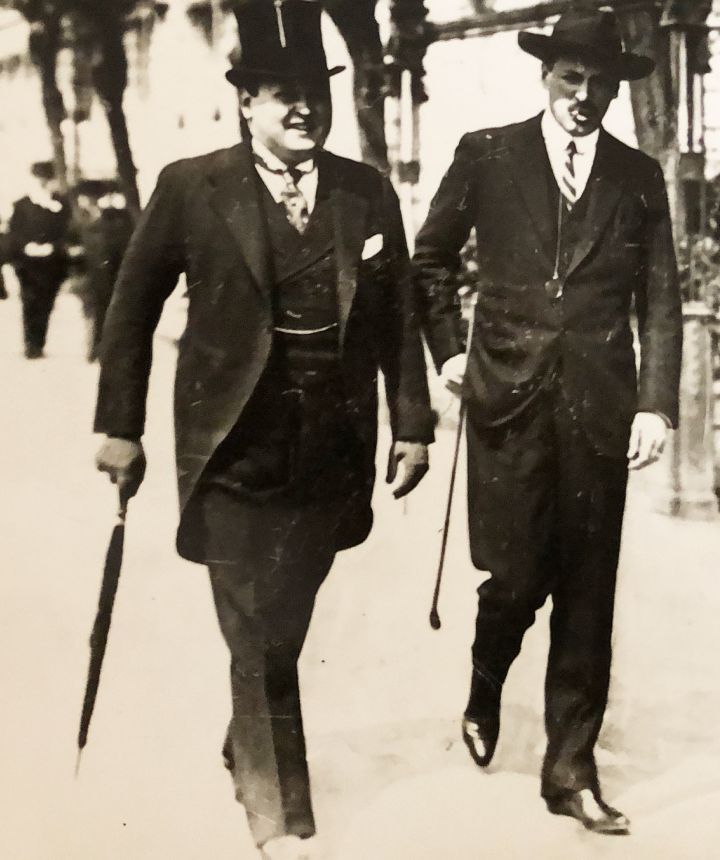
The relationship between the half-brothers Mihály Károlyi (1875–1955) and Joseph Károlyi (1884–1934) reflects the political and social tensions of 20th-century Hungary. Members of the aristocracy, they held public responsibilities in imperial Hungary and shared an interest in agrarian and social reform. Mihály, however, embraced a more radical political path, becoming one of the leading figures of the 1918 revolution and serving as the first President of the Hungarian Republic from 1918 to 1919. Forced into exile and condemned by the Horthy regime, he was only rehabilitated after 1945.
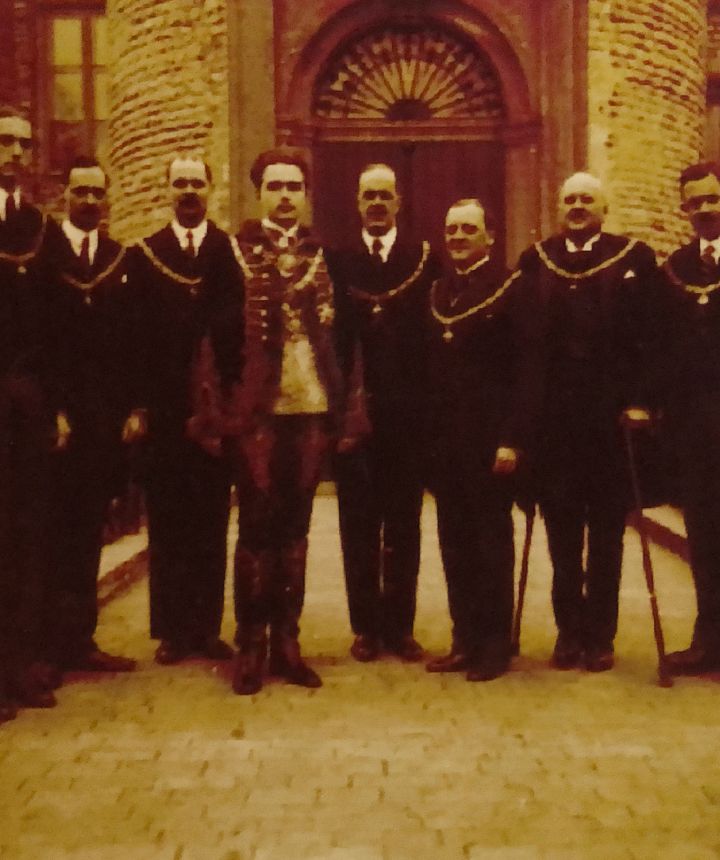
Politically opposed to his half-brother, Joseph Károlyi remained a committed legitimist and a loyal supporter of the Habsburg monarchy. After 1918, he stayed faithful to Charles IV, the last King of Hungary, and followed the imperial family into exile. He supported the king’s attempts to regain the throne and openly opposed the Horthy regime, which prevented his return. Present at Charles IV’s death in Madeira in 1922, he carried the king’s coffin. Later entrusted with the Hungarian education of Archduke Otto, he lived with his family alongside Empress Zita and her children during their exile in Lequeitio, Spain, from 1924 to 1926.


Despite their profound political differences, the two brothers remained bound by strong family ties. Joseph always considered the properties confiscated from Mihály by the Horthy regime as belonging to his brother. He managed them during Mihály’s exile and continued to send him the income they generated. Later, when Mihály was appointed Hungary’s ambassador to Paris in 1947, he helped Joseph’s family settle in France after the Second World War.
FAMILY LIFE IN THE 1920s
Joseph Károlyi married Countess Daisy Wenckheim (1892–1964) in 1913. Modernized before the First World War and equipped with central heating, electricity, running water, and a telephone, the Fehérvárcsurgó palace became the family’s main residence. Their son István was born there in 1920. Raised in the tradition of aristocratic families, he was educated by French and German governesses and tutors. Yet aware of the changing times, his father also wished to give him a more open-minded education and sent him to the village school.
To discover more about this period, follow the virtual tour.


THE 1930s AND THE OUTBREAK OF WAR
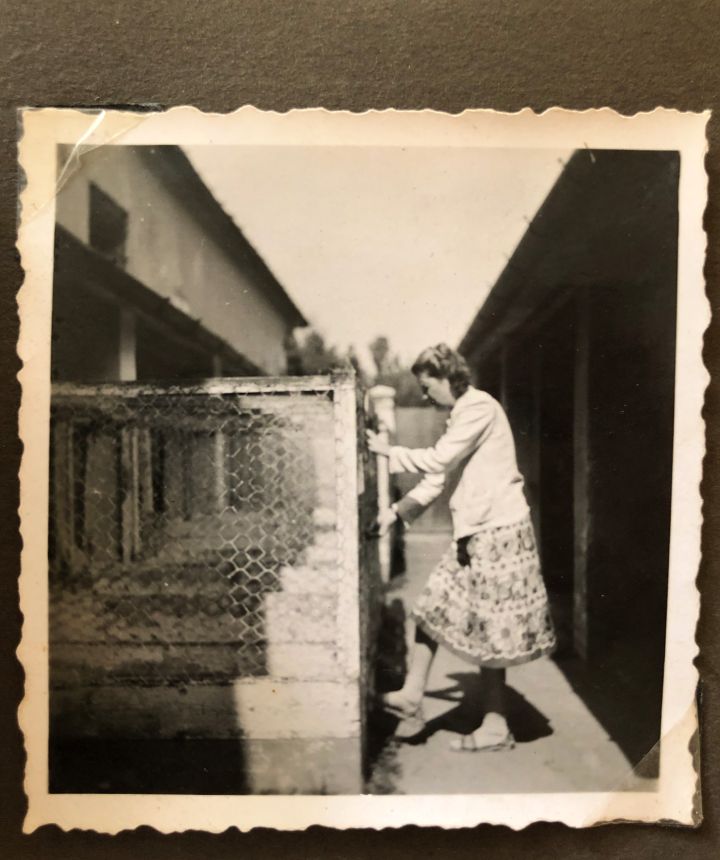
After Joseph Károlyi’s death in 1934, Daisy established an angora rabbit farm at Fehérvárcsurgó, providing a source of additional income for the women of the village. Opposed to the Horthy regime and to Hungary’s alliance with Nazi Germany, she sheltered several figures at the palace during the Second World War, including the writer Lajos Zilahy and the scientist Albert Szent-Györgyi, awarded the Nobel Prize in Physiology or Medicine in 1937, both of whom were involved in the resistance. Daisy also supported the Polish refugees.
THE SECOND WORLD WAR
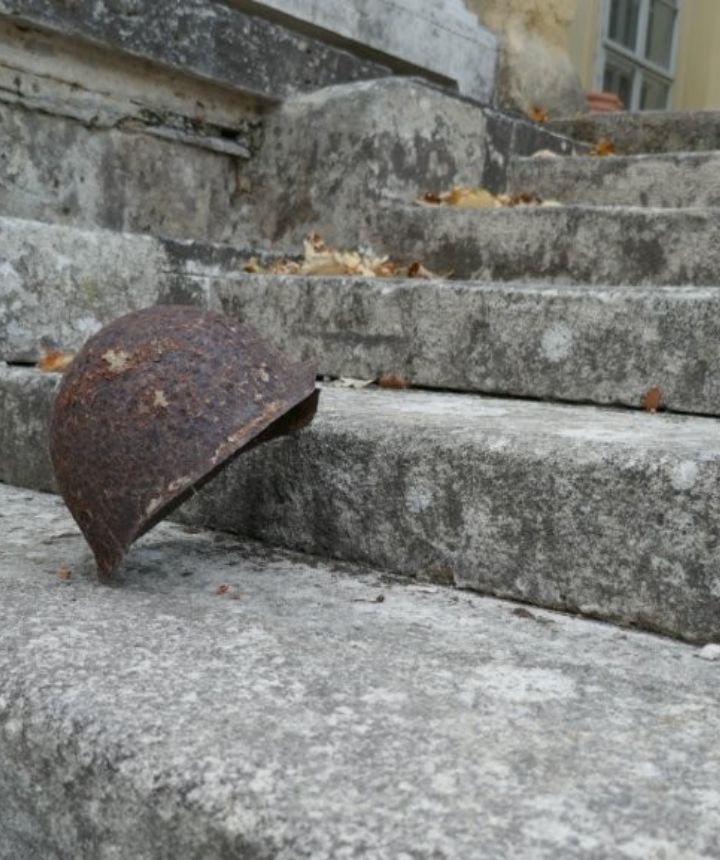
The Károlyi family left the palace permanently in the autumn of 1944, as the war front drew closer. The palace was first taken over by the Waffen-SS Totenkopf Panzer Division, which set up a field hospital there, and later by Soviet forces following the German retreat.
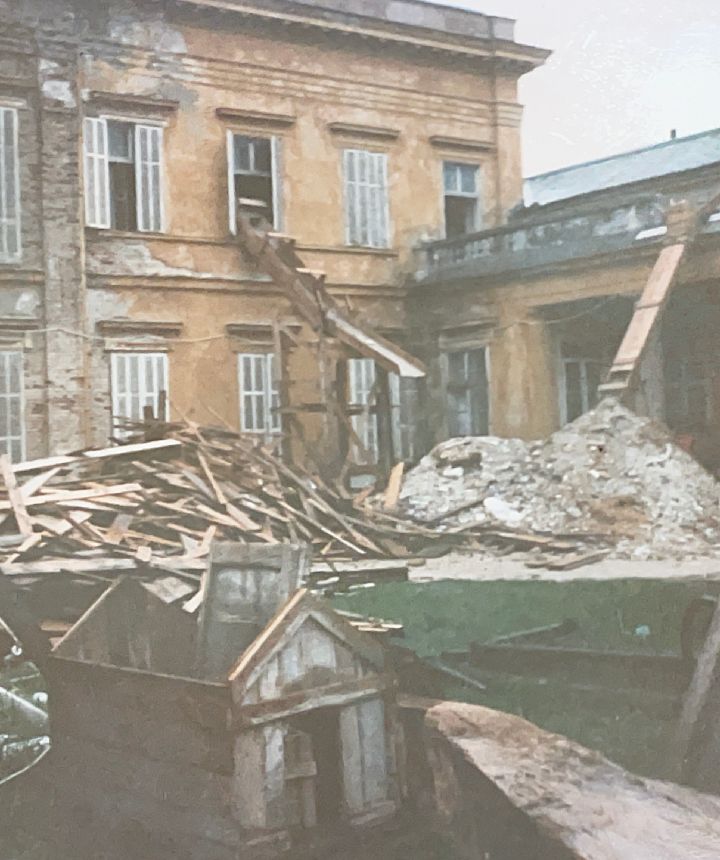
The successive occupations left the palace severely damaged: furniture and personal belongings were looted or destroyed, and the books were set on fire.


1945 AND THE BEGINNING OF NATIONALIZATIONS
In February 1945, the Red Army liberated Budapest from German occupation after a six-week siege that left the city devastated. The following month, the provisional Hungarian government, backed by the Soviets, announced the confiscation and nationalization of large estates. The family briefly returned to Fehérvárcsurgó to see the damage, and spent the next two years in their Budapest townhouse before emigrating to France in the summer of 1947.
THE FAMILY LEAVES HUNGARY
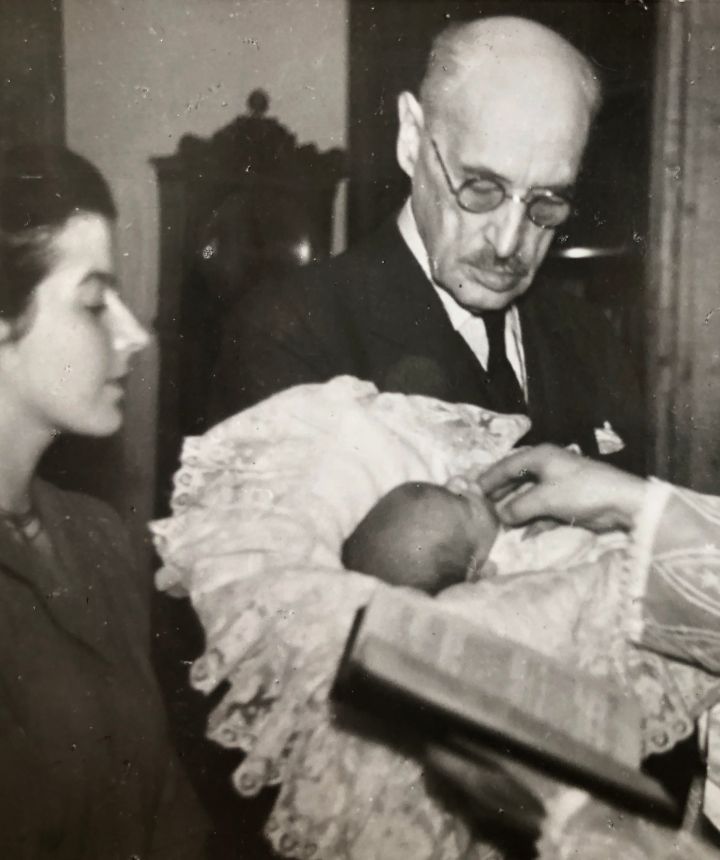
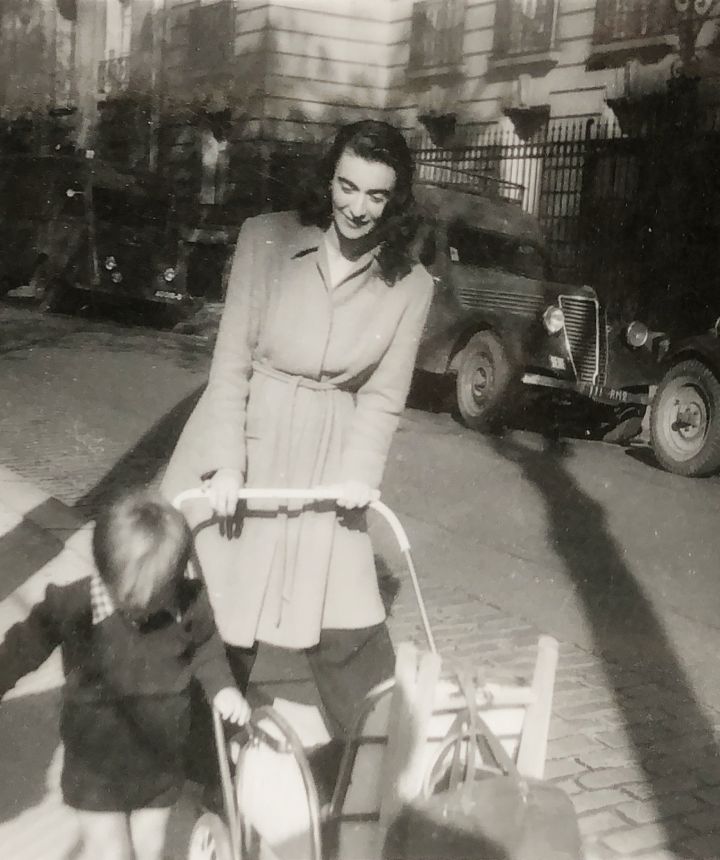
István Károlyi (1920–2009) left Hungary with his wife Katalin, known as Gogo (1919–2006), daughter of the painter Tibor Pólya, and their son Georges, born in Budapest in 1946. After settling in Paris in 1947, István adopted the name Étienne de Károlyi. With a PhD in aesthetics and a passion for theatre, he struggled to establish himself in Paris and eventually left for Morocco and later sub-Saharan Africa, where he held administrative positions.


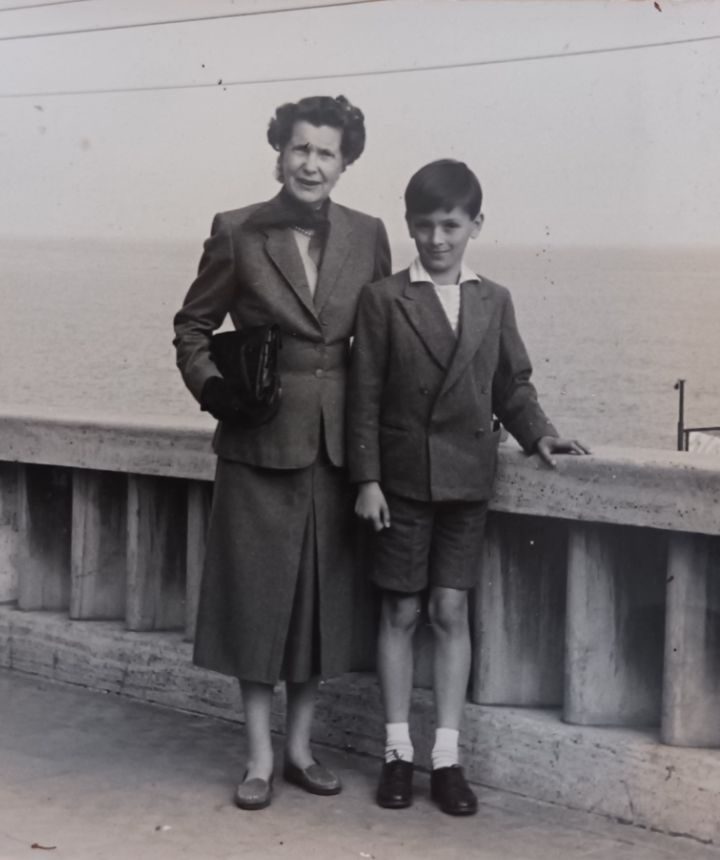
Daisy Wenckheim also emigrated to France. She played an active role in raising her grandson Georges while contributing to the family’s income by making shawls. Returning to Paris in 1970, István became a real estate entrepreneur and travelled extensively around the world. His wife Gogo, from whom he divorced in 1953, later became known as a fashion designer under the name Catherine de Karolyi. She worked for some of Paris’s leading fashion houses, including Hermès.
THE PALACE UNDER THE COMMUNIST REGIME
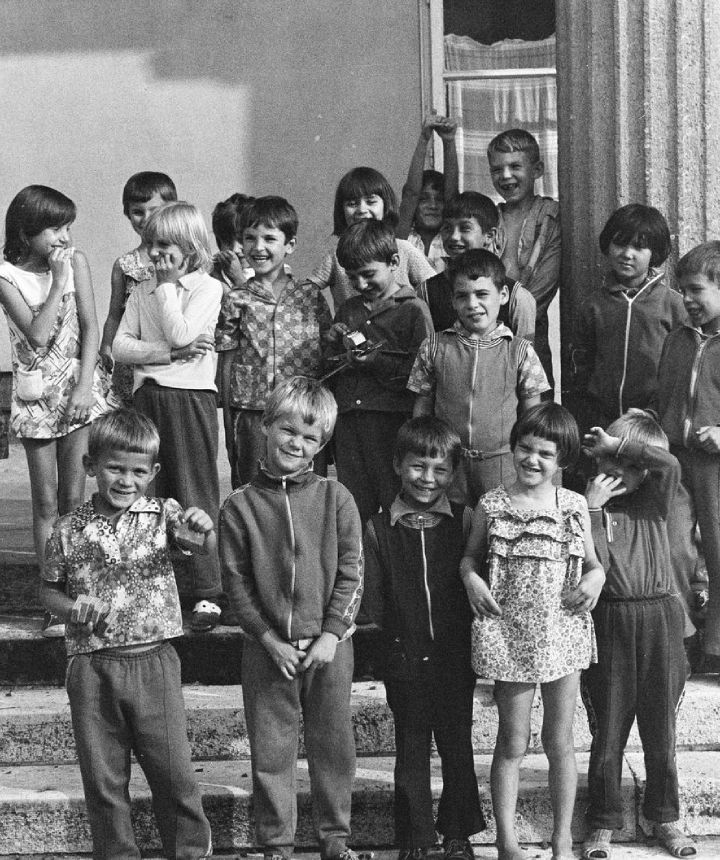
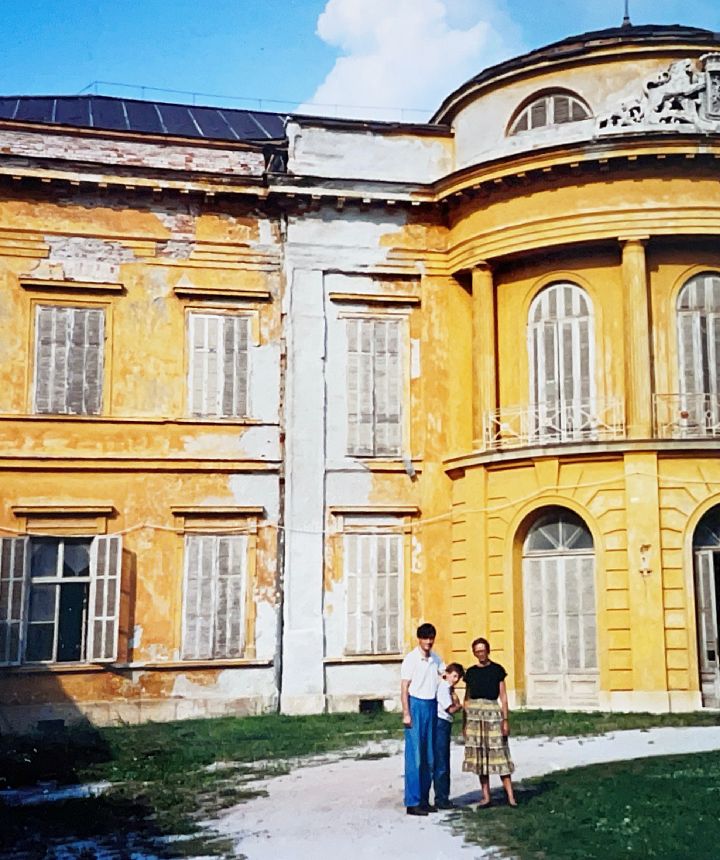
In 1946, the palace was assigned to the Gas Distribution Company, which used it as a holiday home for its employees. In 1949, it was converted into an orphanage for Greek children displaced during the civil war by communist forces. From 1955 onwards, it also welcomed Hungarian children. The orphanage was eventually forced to leave the premises in 1979, due to the lack of resources needed to maintain the building.
Despite being listed as a historic monument in 1953, the building was then abandoned.


THE AGRICULTURAL COOPERATIVE
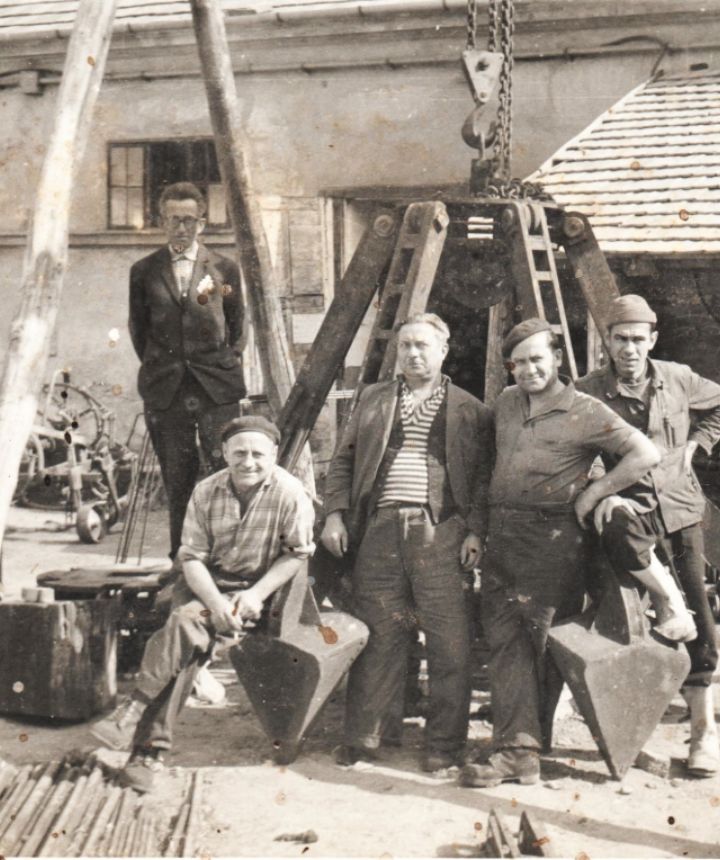
Following the 1945 land reform, the Károlyi family’s estates were redistributed among local farmers before being incorporated, from 1949 onwards, into the Lenin Agricultural Cooperative. Established in the former stables, the cooperative brought together local farms and organized production according to the socialist collectivization model. It remained active until the end of the 1980s.
THE RETURN OF THE KÁROLYI FAMILY
After the fall of the communist regime in 1990, Georges Károlyi returned to Fehérvárcsurgó with his wife Angelica, née Edzard (born 1947), and their four children. In 1993, the management of the palace was entrusted to MÁG, a public institution under the National Office for the Protection of Historic Monuments. The following year, the family established the Joseph Károlyi Foundation, a non-profit foundation dedicated to restoring the estate and transforming it into a Heritage Site for Culture.


THE RESTORATION OF THE ESTATE
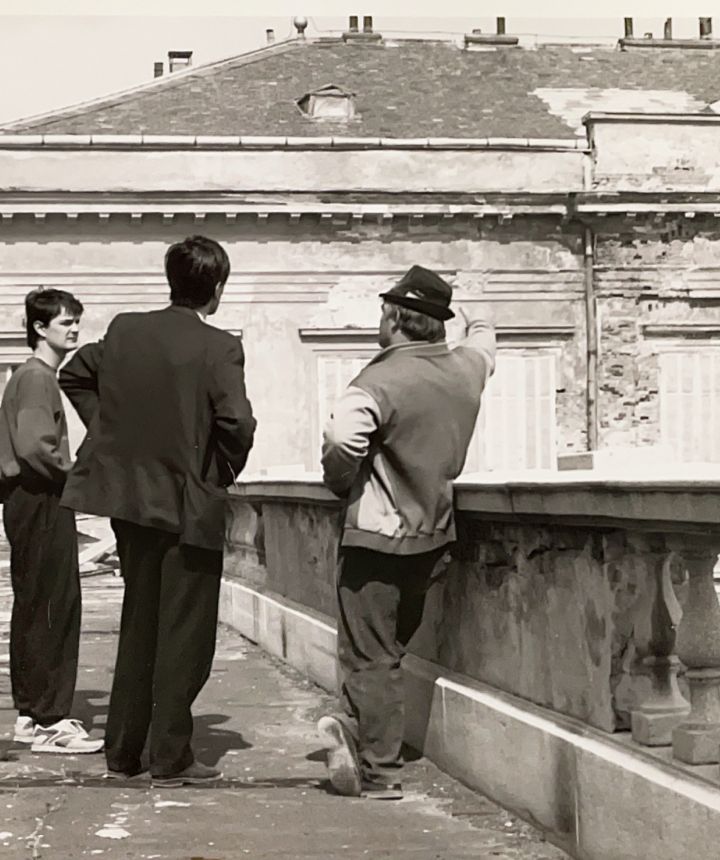
The restoration of the palace began in 1993, with MÁG, undertaking the first emergency works, including roof repairs and the treatment of interiors severely damaged by dry rot. From 1994 onwards, the Károlyi family became actively involved through the creation of the Joseph Károlyi Foundation, which enabled it to seek public and private funding for the restoration of the estate and the development of its cultural mission. In 1995, the Foundation received official recognition as part of UNESCO’s World Decade for Cultural Development.
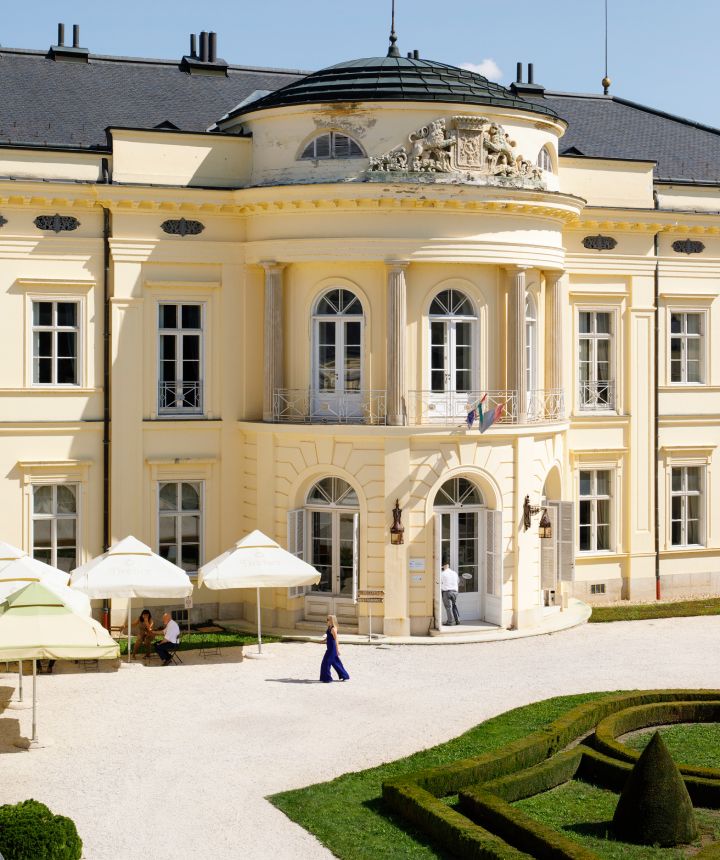
The restoration progressed in successive stages, supported by the family’s own resources, Hungarian state funding, and the contributions of institutional partners, including the Hungarian Development Bank, the Robert Schuman Foundation, the Hippocrène Foundation, and the Hungaria Nostra Foundation. In 1999, the chapel and the northern pavilion, which now houses the documentation centre, were restored. The southern pavilion followed in 2000, and the façades, together with their 200 windows, were restored in 2003. The northern wing was completed in 2004, followed by the southern wing in 2005, allowing the hotel to open that same year.
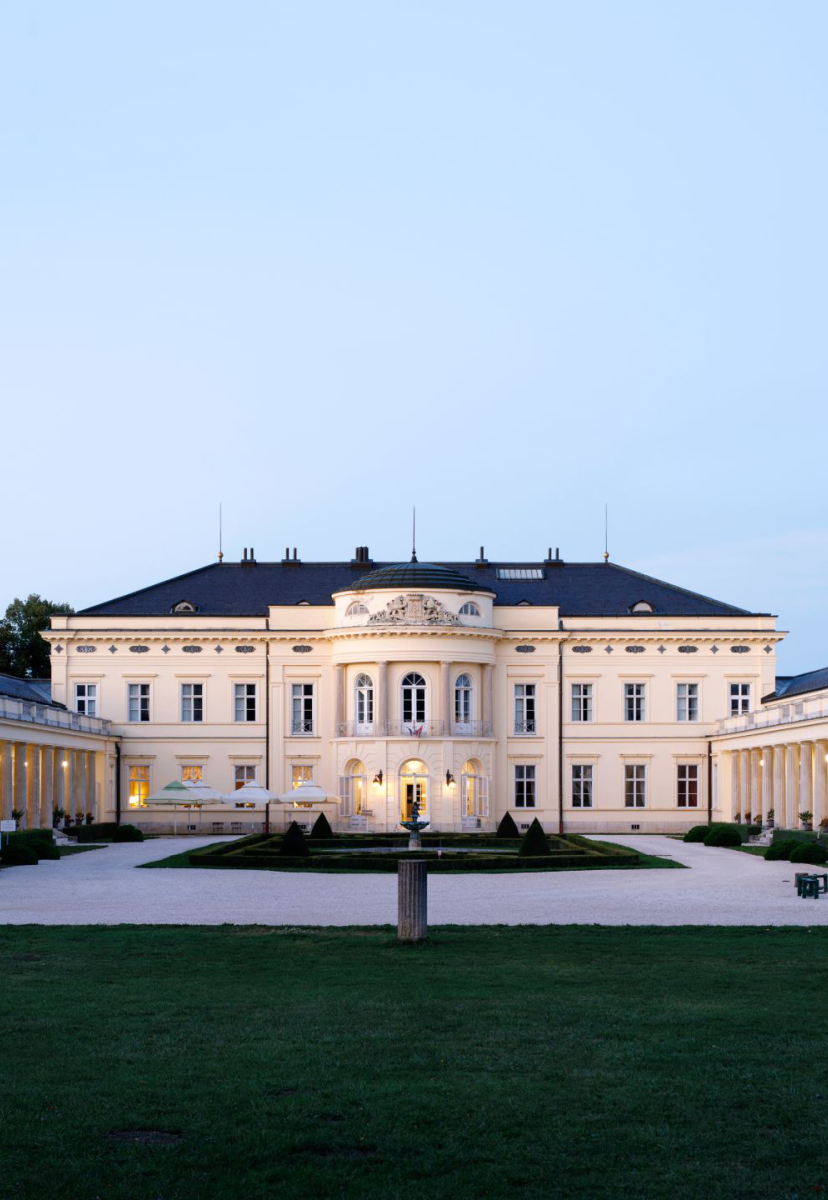
Further phases followed with the restoration of the main courtyard in 2006 and the central section of the palace in 2011. European funding made possible the restoration of the park’s landscape and the revival of the lake in 2014, as well as the transformation of part of the grand stables between 2021 and 2023 into a visitor centre and exhibition space.
Today, the Károlyi Kastély is considered in Hungary as a model project for the restoration of a historic monument led by a family initiative.